
We built a dating event in two weeks. Here’s what we learned.

We launched toward.love, a series of events that uses guided somatic exercises to help you connect with yourself and with the person across from you, past the surface. Two things make it distinct: the body-based somatic practices at its core, and the fact that each event invites a specific target group, so it’s easier to find a match in what you’re moving toward. This first one was for people who want a committed, monogamous partnership and kids.
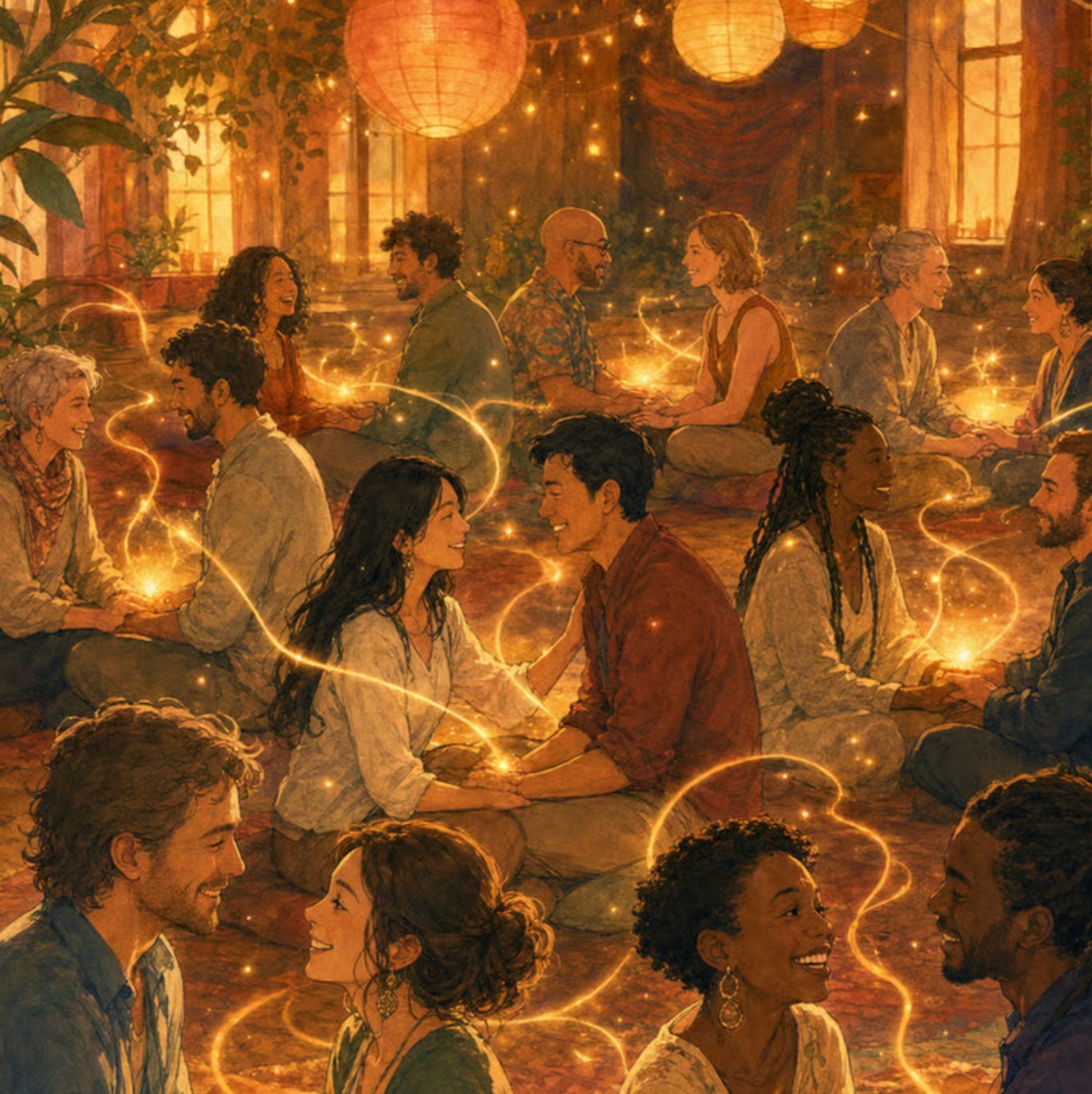
Danny and I had our first conversation about creating this on June 11, started sharing with our communities on June 18, and the event happened on June 26. We sold 28 tickets out of 30. We could have sold 30, but decided not to in order to keep the gender balance, which turned out to be a good decision since a few men didn’t show up without notice.
What went well, and who made it possible
The partner somatic exercises were the strongest part of the night, the thing that got people most engaged and connected.
Most people reported feeling grounded, connected, in their bodies, and happy. People swapped numbers, some left together, and one person said it gave them new faith in dating.
We learned a lot in a very short amount of time.
One of the attendees turned out to be an authentic relating facilitator, and we’ve engaged him to facilitate one of our future events.
Built our own dating app so participants can connect across events.
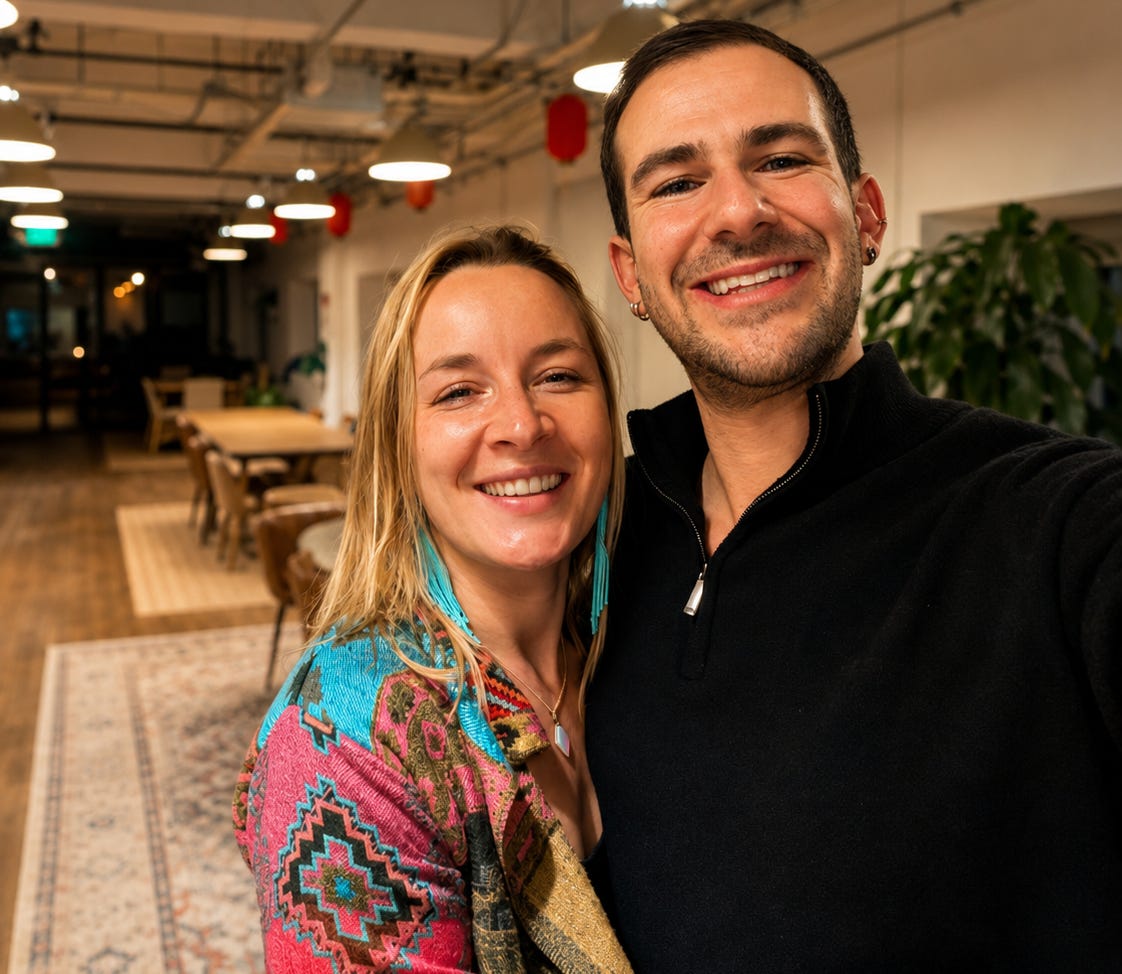
Danny was a deeply supportive co-organizer, checking in almost daily, picking up logistics when I was buried in the facilitation script, and meeting it all with warmth, down to a boa hug when I was a ball of nerves.
So many people helped us spread the word: Geo at SF Community Nights, friends from the Midnight Tea House (who also found us a photographer at the last minute), and Laurence and Zan from Frontier Tower. Thank you to everyone who opened a door for us.
Now the honest part. Here is what didn’t work and what we’ll change.
Setup and arrival
We were still setting up at the last minute and felt rushed, so we couldn’t help people settle in. → Arrive earlier.
The arrival window is meant to help people land before the event starts and give them an easy way to begin connecting. Ours didn’t flow. Check-in sat in the middle of the room, so people clustered there, and while we had a self-contained activity, the guidance was too loose and people didn’t engage with it much. → Move check-in out of the main room, and give tighter guidance instructing people to go into the main space and drop into the activity with one another
People could get lost finding the space. → Put up directional signs.
A lot of face to face → Offer mints at the arrival station.
Logistics
Strangers kept walking into the closed room even though we put a sign asking them not to. → Have the venue lock the floor so nobody can come in from outside once the closed container starts.
I ran the timer on my phone; it took too much attention and once cut the music, pulling people out. → Bought a physical timer, easy to set, silent buzz.
Sound was a recurring problem: the AC made the room loud, the guidance was hard to hear, and the signal to get attention didn’t carry → Use a microphone, and a chime (already purchased) to get attention and signal transitions.
We relied on the venue’s cups and could have run out. → Bring our own as backup.
The exercises
We invited people to honor themselves and welcome their no but we didn’t explicitly invite them into their growth zone: leaning into discomfort that still feels growthful while staying present with themselves → People go further when they know the edges are theirs to set.
Do more of what actually lands. The hands-on, body-based (somatic) partner exercises created by far the most connection; the talk-based parts did less. → Lean into what engages people. For us that means more somatic work and less talking.
Don’t assume people know how to do something. → Demonstrate the harder exercises and model them fully enough to land in the body, not just explained in words. Otherwise people default to ordinary conversation.
Generic prompts get generic conversation. → Tailor prompts to what people actually came for, and invite participants to submit questions their interested engaging on ahead of time.
Sequence from gentle to intense, and ease people in. One of the earlier somatic exercises turned out not to not have enough lead-in, and some found it too much. → Put the intense work later, and lead people into it more slowly and with more guidance.
Name the tools people can use to stay present, and say why, more than once. → For example, remind people they can close their eyes to come back to themselves when something gets intense not as a bow out but rather as being able to be present more deeply
Build in real recovery between intense moments. Brief resets helped, but the transitions still moved too fast for a few people. → Give people a couple of guided minutes to reconnect with themselves before engaging with others after partnered exercises.
Too many choices in the moment creates paralysis. → Offer one clear option and one alternative, not a menu.
Cut what isn’t working. One exercise stayed cramped, loud, and shallow, and people were relieved to cut it short. → Drop it or redesign it; not every activity earns its place.
The visuals we displayed were too small. → Bigger text.
Process
Red name tags meant “no photos,” but people changed their minds after picking one, which made it hard for the photographer. → Put photo consent in the sign-up and the opening talk, default yes, with an opt-out after the event.
Add a line to the event description telling people to eat before they come.
We offered a $10 refund for filling out the feedback form. We were hoping to incentivize responses, but tying feedback to a refund made it non-anonymous, which makes honest feedback less likely. → Offer a discount code for the next event or a bonus self-reflection guide on the topic?
Guest list
Several people didn’t show and didn’t let us know, which threw off the balance we had planned. → We are considering taking a refundable deposit, returned at the door, so people are more likely to come.
We added a couple of people last minute to fill the gaps without fully checking they fit this specific container, and it didn’t serve the room. → Curate for fit over filling seats. We’d rather run a smaller, aligned room than a full, mismatched one.
Next event is Thursday.